
This blog covers the Kelowna and Central Okanagan real estate market with straightforward information you can actually use. You'll find local market stats, buyer education, neighbourhood breakdowns, and commentary on what's happening in the Okanagan. No fluff. Written by Michael A. Jones - PREC*, a REALTOR® with Royal LePage Kelowna.

April 19, 2022

6 Wise Ways To Avoid Do-It-Yourself Disasters!


There is nothing worse than starting a home renovation project (no matter how big or small) only to be thwarted by complications. Take it from me, it can cost you BIG TIME! To help you avoid the same mistakes, here are 6 tips to help you keep do-it-yourself disaster from visiting your home.


  1. Be Realistic

Check yourself.  Be honest about your technical ability and experience. I overestimate my D-I-Y often. Learning to be realistic has helped me keep supposed "simple projects" from turning into complicated messes.


  1. Define The Scope Of The Project 

PArt of being realistic means knowing exactly what you're going to try and do. If you don't know the exact parameters of the project, you can get yourself into a mess. So, whether you're out to paint the walls or renovate the kitchen, clarify EXACTLY what you're going to do. From that point, you can decide if it's actually DIY or requires additional help. 


  1. Determine Estimated Costs

Also known as doing your homework.  Create an outline or spreadsheet of the associated costs, including materials, expected fees, etc.


  1. Determine The Timeline: 

Along with an outline or spreadsheet for costs, detail the timeline for the project. This is especially helpful with larger projects involving multiple contractors. 


  1. Remember To Seek Bids

Don't neglect to get bids from contractors and vendors. A project must make financial sense. Part of the pre-planning process involves getting prices from the third parties you might need to do the job. In short, does the project make sense to do alone, or is it better to have a professional do it? 


  1. Set A Back-Up Plan

If there's one thing I know about projects involving hammers, paintbrushes, drills, etc., it's this: rarely do things go according to plan. So, always have a plan B and even C should things go differently than expected.


FINAL THOUGHTS 

Do-It-Yourself projects can be trickier than expected. To avoid any troubles, it's good to approach such a project with your eyes wide open. My hope is these 6 tips will help you do just that.


With that, here are 5 projects you may want to consider using a professional:


      Anything structural - Structural projects can come crashing down.


      Anything electrical - ZAAAP!


      ●      Roofing - Falling Isn't Fun


      ●      Plumbing - For Obvious Reasons


      ●      Insulation - Cough Cough!

April 19, 2022

Here's Why You Should Speak With Your Realtor® Today!


Unless you've been sleeping under a gigantic mossy log for the last 2 years, you're no doubt aware that the Real Estate market has been a tad crazy.  Because of this, you really should take the time to speak with a Realtor® like me as soon as possible.  Here are three simple reasons that support that:


  1. Understand The Local Market

The news, whether national, provincial, or municipal often only provides general facts and figures about the market.  Usually, those facts are painted with an angle that either skews reality or exaggerates it.  What's more, the information is typically lacking in specifics. So, taking time to speak with your Realtor® can help clear the mud out of your mediated eye.  Instead of general facts about the Province at large, I can give you local information that directly empowers you and helps set your plans.  On that note...


  1. Determine The Value Of Your Home

 My knowledge & experience in the local market means I can give you a quality assessment of the value of your home. What's more, I can also make suggestions of what you could do to improve the value of your home. 


  1. Answer Your Questions

Most homeowners & home buyers have a ton of questions. Talking with me will help you get professional answers to your most important real estate questions.


THE BOTTOM LINE

Now is the best time to start talking with a Realtor®. The more you know, the more ready you'll be.  Contact me today to learn more about the local housing market and about buying a new home or selling your current one!

Oct. 8, 2021

Shut Down Home Intruders With These 7 Safety Strategies


A break and enter occurs every 90 seconds in Canada.1 Fortunately, there are some proven tactics you can use to decrease your likelihood of a home invasion.


Most burglars won’t go to extreme lengths to enter your home. They are looking for easy access with minimal risk. A monitored security system can be an effective deterrent—homes without one are 300% more likely to be burglarized—but it isn’t the only way to protect your property.2 The strategies below can help to maximize your home’s security and minimize your chances of being targeted by intruders.


Thinking about listing your home? We have some additional recommendations for you. Contact us to find out the procedures we use to keep our clients and their property safe and secure during the buying and selling process.


  1. Check Your Doors and Windows

According to insurance company SGI Canada, the most common entry point for a burglar is through a basement or ground floor door or window.1 So securing these points of entry is essential.


      Evaluate the condition of your doors and locks.


A steel door is generally considered the strongest, but many homeowners prefer the look of wood. Whatever material you choose, make sure it has a solid core and pair it with a sturdy deadbolt lock that is a minimum of 2.5 cm long when thrown.3


      Add window locks and security film.


Aftermarket window locks are an easy and inexpensive upgrade that can provide an additional layer of protection for your home. Choose a lock that is compatible with your window frame material and a style that is appropriate for the window type. And consider using a specialty film on windows that are adjacent to a door. Security film holds shattered glass in place, making the windows more difficult to penetrate.4


  1. Landscape for Security


When it comes to outdoor landscaping, many of us think about maintenance and curb appeal. But the choices we make can impact our home’s security, as well. Thieves target homes that they can enter and exit without being detected. Here are a few tweaks that can make your property less appealing to potential intruders.


      Increase visibility from the street.


A privacy hedge may keep out nosy neighbours, but it can also welcome thieves—so trim overgrown trees and shrubs that obstruct the view of your property. According to police officers, they offer an ideal environment for criminals to hide.5


      Place thorny bushes and noisy gravel below windows.


Don’t eliminate shrubbery altogether, though. Certain hedges can actually offer a deterrent to robbers. Plant thorny rose bushes or sharp-leaved holly beneath your first-story windows for both beauty and protection. Add some loose gravel that crunches when disturbed.


  1. Light Your Exterior


When it’s dark outside, criminals don’t need to rely on overgrown shrubbery to hide. Luckily, a well-designed outdoor lighting system can make your home both safer and more attractive.


      Install landscape lighting.


Eliminate pockets of darkness around your yard and home’s perimeter with strategically placed outdoor lights. Use a combination of flood, spot, well, and pathway lights to add interest and highlight natural and architectural details.


      Use motion-activated security lights to startle intruders.


The soft glow of landscape lighting isn’t always enough to dissuade a determined intruder. But a motion-activated security light may stop him in his tracks. And if you choose a Wi-Fi connected smart version, you can receive notifications on your phone when there’s movement on your property.


  1. Make It Look Like You’re Home


Motion-activated lights aren’t the only way to make an intruder think you’re at home. New technology has made it increasingly possible to monitor your home while you’re away. This is especially important since most burglaries take place between 10 am and 3 pm, when many of us are at work or school.6


      Turn on your TV and leave a car in the driveway.


A survey of convicted burglars revealed that the majority avoid breaking into homes if they can hear a television or if there’s a vehicle parked in the driveway.7 If you’re away from home, try connecting your TV to a timer or smart plug. And when you travel, leave your car out or ask a neighbour to park theirs in your driveway.


      Install a video doorbell.


In that same survey, every respondent said they would knock or ring the doorbell before breaking into a home. A video doorbell not only alerts you to the presence of a visitor, it also enables you to see, hear, and talk with them remotely from your smartphone—so they’ll never know you’re gone.


  1. Keep Valuables Out of Sight


Few home invasions are conducted by criminal masterminds. In fact, a survey of convicted offenders found that only 12% planned their robberies in advance, while the majority acted spontaneously.8 That’s one of the reasons security experts caution against placing valuables where they are visible from the outside.9


      Check sightlines from your doors and windows.


Don’t tempt robbers with a clear view of the most commonly stolen items, which are cash (think purses and wallets), jewelry, electronics, firearms, and drugs (both illegal and prescription).5 Take a walk around your property to make sure none of these items are easily visible.


      Secure valuables in a safe.


Consider the possessions that are on display inside your home, as well. It’s always a good idea to lock up firearms, sensitive documents, and expensive or irreplaceable items when you have housekeepers or other service providers on your property.


  1. Highlight Your Security Measures


While it’s prudent to hide your valuables, it’s equally important to advertise your home’s security features. In surveys, convicted burglars admit to avoiding homes with obvious protective measures in place.7,8


      Install outdoor cameras.


Security cameras are the most common home protection device and for good reason.10 Not only do they help prevent crime (burglars are known to avoid them11), they can offer peace of mind for homeowners who want to sneak a peek at their property while away. And if you do experience a break and enter, security camera footage can help police identify your intruder.


      Post warning signs.


Security system placards and beware-of-dog signs are also shown to be effective deterrents.8 Of course, you should back up your threats with a noisy alarm and loud barking dog for maximum impact.


  1. Limit What You Share on Social Media


Social media platforms can be a great way to stay connected with friends and family, but it’s easy to reveal more than you’ve intended. Be thoughtful about what you’re posting—and who has access.


      Delay posting photos or travel updates.


It can be tempting to upload a concert selfie or pictures from your beach vacation. But these types of photos scream: “My house is unoccupied!” Try to wait until you’ve returned home to share the photos on social media.


      Set privacy restrictions on your accounts.


Think twice about connecting with strangers or casual acquaintances on social media. If you enjoy sharing family updates and personal photos, it’s safer to limit your followers to those you truly know and trust.


YOUR HOME IS SAFE WITH US


We take home security seriously. That’s why we have screening procedures in place to keep our clients and their homes safe when they are for sale. We also remind our buyers to change the locks before they move into their new homes and provide referrals to locksmiths and home security companies that can help. To learn more about our procedures and how you can stay safe during the buying and selling process, contact us to schedule a free consultation!


Sources:

1.     SGI Canada -
https://www.sgicanada.ca/news?title=preventing-break-ins

2.     Bankrate -
https://www.bankrate.com/insurance/homeowners-insurance/house-burglary-statistics/

3.     Square One -
https://www.squareone.ca/resource-centres/home-personal-safety/preventing-break-ins

4.     SafeWise -
https://www.safewise.com/blog/10-simple-ways-to-secure-your-new-home/

5.     Toronto Police Department -
https://www.torontopolice.on.ca/crimeprevention/environmental.pdf

6.     Canadian Security Professionals -
https://www.cspalarms.ca/blog/safety/home-robberies-by-the-numbers-when-you-should-be-the-most-alert/

7.     KGW News -
https://www.kgw.com/article/news/investigations/86-burglars-say-how-they-break-into-homes/283-344213396

8.     Science Daily -
https://www.sciencedaily.com/releases/2013/05/130516160916.htm

9.     Security.org -
https://www.security.org/home-security-systems/home-invasion-protection/

10.   SafeWise -
https://www.safewise.com/resources/security-stats-facts/

11.   The Guardian -
https://www.theguardian.com/business/2017/aug/18/former-burglars-barking-dogs-cctv-best-deterrent


Sept. 4, 2021

9 Tips for Buying and Selling Your Home at the Same Time

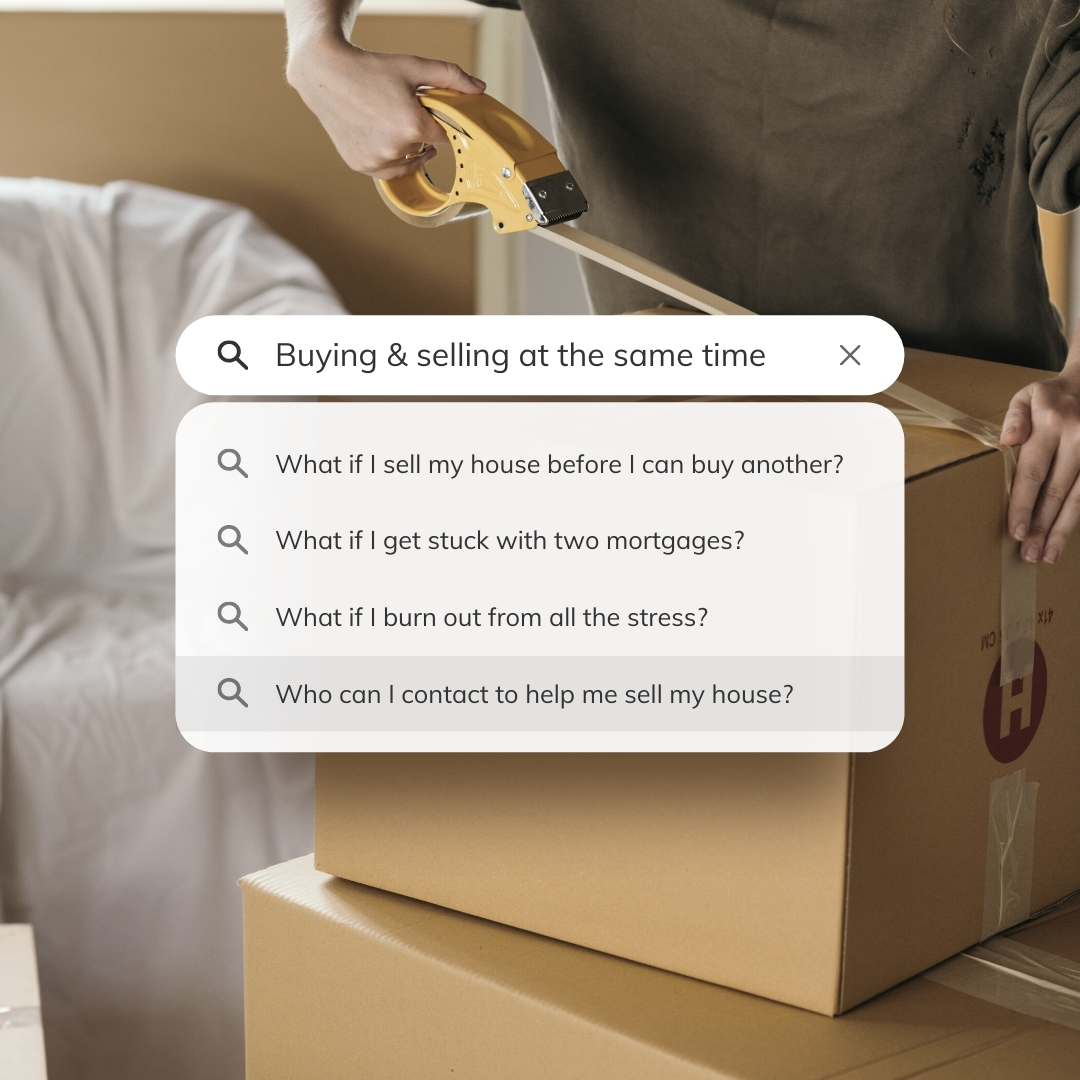
Selling your home when you still need to shop for a new one can feel daunting to even the most seasoned homeowner––especially when the demand for new homes keeps rising, but the supply feels like it's dwindling.¹ You're not alone either if you're already feeling drained by the complex logistics of trying to sell and buy a new home all at once.


Searching for a new home can be exciting, but many homebuyers admit that it can also be stressful, especially if you live in an unpredictable market with plenty of competitors. Unfortunately, waiting out a competitive housing market isn’t always the best idea either since homes are in notoriously short supply across Canada, and listings are expected to remain limited in the most coveted neighborhoods for some time.²


That doesn't mean, though, that you should just throw up your hands and give up on moving altogether. In fact, as a current homeowner, you could be in a better position than most to capitalize on a seller’s market and make a smooth transition from your old home to a new one.


I can help you prepare for the road ahead and answer any questions you have about the real estate market.  For example, here are some of the most frequent concerns I hear from clients who are trying to buy and sell at the same time.


“WHAT WILL I DO IF I SELL MY HOUSE BEFORE I CAN BUY A NEW ONE?”


This is an understandable concern for many sellers since the competitive real estate market makes it tough to plan ahead and predict when you'll be able to move into your next home. But chances are, you will still have plenty of options if you do sell your home quickly. It may just take some creativity and compromise.


Here are some ideas to make sure you're in the best possible position when you decide to list your home:


Tip #1: Flex your muscles as a seller.

In a competitive market, buyers may be willing to make significant concessions in order to get the home they want. In some cases, a buyer may agree to a sell and leaseback agreement (also known as a "sell house and rent back" option) that allows the seller to continue living in the home after closing for a set period of time and negotiated fee.


This can be a great option for sellers who need to tap into their home equity for a downpayment or who aren’t logistically ready to move into their next home. If you're dealing with an investor rather than a traditional buyer, you may even be able to negotiate a lengthy lease and lower rent payment than your current mortgage.³


However, leaseback agreements can be complex, with important legal, financial, and tax issues to consider.⁴ At a minimum, a carefully worded contract and security deposit should be in place in case of any property damage or unexpected repairs that may be needed during the leaseback period.


Tip #2: Open your mind to short-term housing options.

While it can be a hassle to move out of your old home before you’re ready to move into your new one, it’s a common scenario. If you’re lucky enough to have family or generous friends who offer to take you in, that may be ideal. If not, you’ll need to find temporary housing. Check out furnished apartments, vacation rentals, and month-to-month leases. If space is an issue, consider putting some of your furniture and possessions in storage.


You may even find that a short-term rental arrangement can offer you an opportunity to get to know your new neighborhood better—and lead to a more informed decision about your upcoming purchase.


Tip #3: Embrace the idea of selling now and buying later.

Instead of stressing about timing your home sale and purchase perfectly, consider making a plan to focus on one at a time. Selling before you’re ready to buy your next home can offer a lot of advantages.


For one, you’ll have cash on hand from the sale of your current home. This will put you in a much better position when it comes to buying your next home. From budgeting to mortgage approval to submitting a competitive offer, cash is king. And by focusing on one step at a time, you can alleviate some of the pressure and uncertainty.


“WHAT IF I GET STUCK WITH TWO MORTGAGES AT THE SAME TIME?”


This is one of the most common concerns that I hear from buyers who are selling a home while shopping for a new one, and it’s realistic to expect at least some overlap in mortgage payments. But unless you have a large enough income to comfortably carry two mortgages, you may not pass Canada's beefed-up mortgage stress test until you have a contract on your first home. (You can use the Financial Consumer Agency of Canada's Mortgage Qualifier Tool to check your odds.⁵) 


Assuming you can secure financing, however, it's still a good idea to examine your budget and calculate the maximum number of months you can afford to pay two mortgages before you jump on a new home. Potential stopgap solutions, such as bridge financing, can also help tide you over if you qualify.


If you simply can’t afford to carry both mortgages for any amount of time, or if you are concerned about passing the mortgage stress test, then selling before you buy may be your best option. (See Tip #3 above.) But if you have some flexibility in your budget, it is possible to manage both a home sale and purchase simultaneously. Here are some steps you can take to help streamline the process:


Tip #4: As you get ready to sell, simplify.

You can condense your sales timeline if you only focus on the home renovations and tasks that matter most for selling your home quickly. For example, clean and declutter all of your common areas, refresh your outdoor paint and curb appeal and fix any outstanding maintenance issues as quickly as possible.


But don't drain unnecessary time and money into pricey renovations and major home projects that could quickly bog you down for an unpredictable amount of time. I can advise you on the repairs and upgrades that are worth your time and investment.


Tip #5: Prep your paperwork.

You'll also save valuable time by filing as much paperwork as possible early in the process. For example, if you know you'll need a mortgage to buy your next home, get pre-approved right away so that you can shorten the amount of time it takes to process your loan.⁶


Similarly, set your home sale up for a fast and smooth transition by pulling together any relevant documentation about your current home, including appliance warranties, renovation permits, and repair records. That way, you're ready to provide quick answers to buyers' questions should they arise.


Tip #6: Ask me about other conditions that can be included in your contracts.

Part of my job as an agent is to negotiate on your behalf and help you win favorable terms. For example, it’s possible to add a contract condition known as a "subject to sale" or "sale of property" (SOP) condition to your purchase offer that lets you cancel the contract if you haven't sold your previous home.⁷ This tactic could backfire, though, if you're competing with other buyers. You and I can discuss the pros and cons of these types of tactics and what’s realistic given the current market dynamics.


“WHAT IF I MESS UP MY TIMING OR BURN OUT FROM ALL THE STRESS?”


When you're in the pressure cooker of a home sale or have been shopping for a home for a while in a competitive market, it's easy to get carried away by stress and emotions. To make sure you're in the right headspace for your homebuying and selling journey, take the time to slow down, breathe and delegate as much as possible. In addition:


Tip #7: Relax and accept that compromise is inevitable.

Rather than worry about getting every detail right with your housing search and home sale, trust that things will work out eventually––even if it doesn't look like your Plan A or even your Plan B or Plan C. Perfecting every detail with your home decor or timing your home sale perfectly isn't necessary for a successful home sale and compromise will almost always be necessary. Luckily, if you've got a good team of professionals, you can relax knowing that others have your back and are monitoring the details behind the scenes.
 

Tip #8: Don't worry too much if your path is straying from convention.

Remember that rules-of-thumb and home-buying trends are just that: they are estimates, not facts. So if your home search or sale isn't going exactly like your neighbors' experience, it doesn't mean that you are doomed to fail.


It's possible, for example, that seasonality trends may affect sales in your neighborhood. So a delayed sale in the summer or fall could affect your journey––but not necessarily. According to the Canadian Real Estate Association, the housing market used to be more competitive during the fall and spring and less competitive during the winter. But it's not a hard and fast rule and real estate markets across Canada have seen major shifts in recent years.⁸ Every real estate transaction is different. That's why it's important to talk to a local agent about your specific situation.


Tip #9: Enlist help early.

If possible, call us early in the process. I'll not only provide you with key guidance on what you should do ahead of time to prepare your current home for sale, I'll also help you narrow down your list of must-haves and wants for your next one. That way, you'll be prepared to act quickly and confidently when you spot a great house and are ready to make an offer.


It's my job to guide you and advocate on your behalf. So don't be afraid to lean on us throughout the process. I'm here to ease your burden and make your move as seamless and stress-free as possible.


BOTTOMLINE: COLLABORATE WITH A REAL ESTATE PROFESSIONAL TO GET TAILORED ADVICE THAT WORKS FOR YOU


Buying and selling a home at the same time is challenging. But it doesn't have to be a nightmare, and it can even be fun. The key is to educate yourself about the market and prepare yourself for multiple scenarios. One of the best and easiest ways to do so is to partner with a knowledgeable and trustworthy agent.


A good agent will not only help you evaluate your situation, I will also provide you with honest and individually tailored advice that addresses your unique needs and challenges. Depending on your circumstances, now may be a great time to sell your home and buy a new one. But a thorough assessment may instead show you that you're better off pausing your search for a while longer.


Contact Your Kelowna Homes for a free consultation so that I can help you review your options and decide the best way forward.


Sources:

1.     Canadian Real Estate Association (CREA) National Statistics -
https://creastats.crea.ca/en-CA/

2.     Scotiabank Global Economics Housing Note - https://www.scotiabank.com/ca/en/about/economics/economics-publications/post.other-publications.housing.housing-note.housing-note--may-12-2021-.html

3.     CBC News -
https://www.cbc.ca/news/canada/toronto/housing-real-estate-toronto-market-sell-stay-rent-1.4075093

4.     Appraisal Institute of Canada - https://www.aicanada.ca/article/possible-valuation-issues-with-life-lease-housing/

5.     Financial Consumer Agency of Canada -
https://itools-ioutils.fcac-acfc.gc.ca/MQ-HQ/MQ-EAPH-eng.aspx

6.     Government of Canada - https://www.canada.ca/en/financial-consumer-agency/services/mortgages/preapproval-qualify-mortgage.htm

7.     RBC Bank -
https://www.rbcroyalbank.com/mortgages/selling-buying-home.html

8.     Canadian Real Estate Association -  https://www.realtor.ca/blog/are-spring-and-fall-housing-markets-a-thing-of-the-past/20405/1361


*This Article Is Not To Be Taken As Actionable Advice Without The Legal Protections Provided By A Reator®. All Information Given Is For Informational Purposes Only. The Reader Should Consult With Their Chosen Real Estate Expert Before Taking Any Actions Based On What They've Read Here.  Readers Exempt Themselves From Assuming Any And All Implied Agency On Behalf Of The Writer.

Aug. 3, 2021

5 Factors That Reveal Where the Real Estate Market Is Really Headed

In a July release, the Canadian Real Estate Association reported that home sales had fallen for three months in a row after reaching an all-time high in March.1 So could one of the world’s hottest real estate markets finally be headed for a downturn?


We wouldn’t bet on it. That’s because even though sales have slowed, it was still the strongest June on record—and 13% higher than last year.1


"Don't be fooled — this is still an extremely strong level of demand," Bank of Montreal Economist Robert Kavcic told CBC News. "Home sales have backed off extreme levels seen in recent months, but demand is still historically strong and driving strong price growth. We believe that sales activity will continue to gradually cool in the year ahead, but it's going to take higher interest rates to soften the market in a meaningful way."1


So what can we expect from Canadian real estate? Here are five factors that illustrate where the housing market is today and is likely heading tomorrow.


HOME PRICE INCREASES MAY LEVEL OFF NEXT YEAR


The Canadian Real Estate Association predicts the national average home price will reach $677,774 by the end of 2021, which would be a 19.3% increase over last year. “While market conditions have eased a little in recent months, they nonetheless continue to favour sellers to some extent in virtually all local markets,” the association says.2


But for the remainder of 2021 and into 2022, the association anticipates pricing trends will head toward more normal territory. “Limited supply and higher prices are expected to tap the brakes on activity in 2022 compared to 2021,” according to the association.2


That translates into the association’s forecast of only a 0.6% uptick, to $681,500, in the national average home price for 2022.2 If that happens, it could prompt some buyers who had been reluctant to make purchases this year to enter the market next year.


What does it mean for you?


If you’re a homeowner, now might be the time to look at selling. That’s because the number of available homes continues to be relatively low, and price appreciation has begun to slow. We can help you prepare and market your home to take advantage of the current seller’s market.


HOME SALES ARE TAPERING OFF


If the 2021 home market in Canada is a wildfire, then 2022 could be more like a campfire. The Canadian Real Estate Association anticipates a slowdown in home sales activity in 2022 following an extremely busy 2021.3


An estimated 682,900 properties are expected to trade hands through Canadian Multiple Listing Service systems in 2021, which would be an increase of 23.8% from 2020, the association says.3


Next year is shaping up to be much less active, with national home sales forecast to decline 13% to around 594,000 properties in 2022.3


“This easing trend is expected to play out across Canada,” the association says, “with buyers facing both higher prices and a lack of available supply, while at the same time the urgency to purchase a home base to ride out the pandemic continues to fade alongside the virus itself.”3


The “easing trend” is already happening. Across the country, a record-high 69,702 homes were sold in March. But just a month later, the national number of homes sold slipped 12.5% to 60,967.⁴ Home sales volume dropped another 7.4% in May to 56,156.⁵


“One of the world’s [most active] housing markets appears to be slowing down,” the Bloomberg news service proclaimed in June in a report about the Canadian home market.⁶


What does it mean for you?


Are you struggling to buy a home in today’s highly competitive market? If so, 2022 might be a good time to pursue a purchase because you may face less competition. However, one drawback of waiting is that mortgage rates are expected to go up. We can help put you on the right path toward homeownership, whether you want to buy now or next year.


SUPPLY OF HOMES REMAINS LOW


The housing shortage in Canada persists.


Before the pandemic, the number of available homes nationally sat at a 14-year low and the number of months of inventory had fallen below four months, according to the Canadian Real Estate Association.3


Inventory below four months puts the supply in “seller’s market territory,” the association says.3 Inventory refers to the number of months it would take for the current supply of homes on the market to be sold at the existing pace.⁷


In June, the Canadian Real Estate Association reported the national inventory of available homes was close to two months, reflecting an “unprecedented imbalance of supply and demand.”3 National inventory hit a record low of 1.7 months in March, compared with the long-term average of more than five months.


“At a time where so many markets are struggling with historically low inventory, sales activity depends on a steady stream of new listings each month,” the association says.


What does it mean for you?


A tight supply of available homes puts sellers in a strong position as long as demand stays high. So, if you’re a homeowner, placing your home on the market when demand exceeds supply could bring you a higher price. We can help you figure out when to sell so that you extract the maximum value from your home.


HOME CONSTRUCTION ON THE VERGE OF STABILIZING


Newly built homes add, of course, to the supply of homes available to buyers. And it appears that home construction in Canada is on the upswing.⁸


For all of 2021, construction is projected to begin on as many as 230,000 new homes in Canada, up from a little over 217,800 in 2020, according to the Canada Mortgage and Housing Corp. (CMHC). Even more homes could get underway in 2022 (as many as 234,500) and 2023 (231,900).⁸


“Housing starts will stabilize at levels consistent with household formation by the end of 2023,” according to CMHC.⁹


What does it mean for you?


More newly built homes coming on the market could mean an opportunity for buyers, as construction boosts the supply of available properties and eases the strain on demand. Bottom line: An influx of new homes may open more doors to homeownership. We can give you a hand in locating a new or existing home that fits your budget and your needs.


MORTGAGE RATES ARE SET TO RISE


Low mortgage interest rates help entice buyers to make a home purchase. That’s certainly been the case in Canada in recent months. However, mortgage rates are poised to creep up this year and next year, and even into 2023.10


An analysis from Mortgage Sandbox indicates five-year Canadian mortgage rates are expected to remain low by historical standards, but they are expected to continue rising in 2022 and 2023. The analysis indicates the fixed rate for a five-year mortgage could climb to 3% in the third quarter of 2022.¹¹


Low mortgage rates typically make it easier for homebuyers to qualify for a mortgage, as well. But on June 1, the Office of the Superintendent of Financial Institutions raised the mortgage “stress test” qualifying rate from 4.79% to 5.25%.12


According to the Toronto Sun, “It was intended in part to slow down the overheated housing market and likely in part because inflation (and higher interest rates) are on the horizon.”12


In a recent report, the British Columbia Real Estate Association forecast, “rising Canadian inflation — and the extent to which that inflation is a temporary phenomenon — is set to shape how rates evolve over the next year.”13


What does it mean for you?


Given the prospect that Canadian mortgage rates may go up during the rest of this year and into 2022, now might be the right time to think about borrowing money to buy a home. When interest rates rise, you pay more to borrow money. Whether you’re buying a new home or up for a renewal, you can lower your risk by locking in a fixed-rate rather than variable-rate mortgage.


ARE YOU THINKING OF BUYING OR SELLING?


It can be tough to sort out the Canadian housing market—where are home prices heading, are mortgage rates going up, is it the right time to buy or sell? We can help you answer all of those questions, and more. We then can work with you to come up with a plan tailored to your unique situation. Let us be your partner in the homebuying or home-selling journey.


*This Article Is Not To Be Taken As Actionable Advice Without The Legal Protections Provided By A Reator®. All Information Given Is For Informational Purposes Only. The Reader Should Consult With Their Chosen Real Estate Expert Before Taking Any Actions Based On What They've Read Here.  Readers Exempt Themselves From Assuming Any And All Implied Agency On Behalf Of The Writer.


Sources:


1.     CBC -
https://www.cbc.ca/news/business/crea-june-stats-1.6103715

2.     Canadian Real Estate Association -
https://www.crea.ca/housing-market-stats/quarterly-forecasts/

3.     Canadian Real Estate Association - https://www.creacafe.ca/quarterly-forecast-housing-activity-to-continue-easing-over-second-half-of-2021-and-into-2022/

4.     Global News -
https://globalnews.ca/news/7868251/canada-home-sales-down-april/

5.     Global News -
https://globalnews.ca/news/7950863/canada-home-sales-may-crea/

6.     Bloomberg - https://www.bloomberg.com/news/articles/2021-06-15/canada-housing-worlds-second-bubbliest-market-starts-to-look-fatigued

7.     Canadian Real Estate Association -
https://creastats.crea.ca/en-CA/

8.     Canada Mortgage and Housing Corp. - https://assets.cmhc-schl.gc.ca/sites/cmhc/professional/housing-markets-data-and-research/market-reports/housing-market/housing-market-outlook/2021/housing-market-outlook-61500-spring-2021-en.pdf

9.     Canada Mortgage and Housing Corp. - https://www.cmhc-schl.gc.ca/en/blog/2021/housing-markets-expected-moderate-risks-remain

10.   Global News -
https://globalnews.ca/news/7962282/rising-interest-rates-canadas-housing-market/

11.   Mortgage Sandbox -
https://www.mortgagesandbox.com/mortgage-interest-rate-forecast

12.   Toronto Sun -
https://torontosun.com/opinion/columnists/wild-new-stress-test-rate-makes-it-more-difficult-for-home-buyers-to-qualify-for-mortgage

13.   British Columbia Real Estate Association - https://www.bcrea.bc.ca/wp-content/uploads/mortgagerateforecast.pdf