Michael A. Jones - PREC* | Royal LePage Kelowna
Thinking about a manufactured home in Kelowna, Vernon, West Kelowna, or anywhere in the Okanagan Valley? Great choice. Manufactured homes are often one of the most affordable ways to get into the market here. But the process isn’t quite the same as buying a freehold house. Financing works differently, there are unique tenancy rules, and you’ll want to know exactly what questions to ask. This step-by-step guide walks you through what matters most so you can make a confident move.
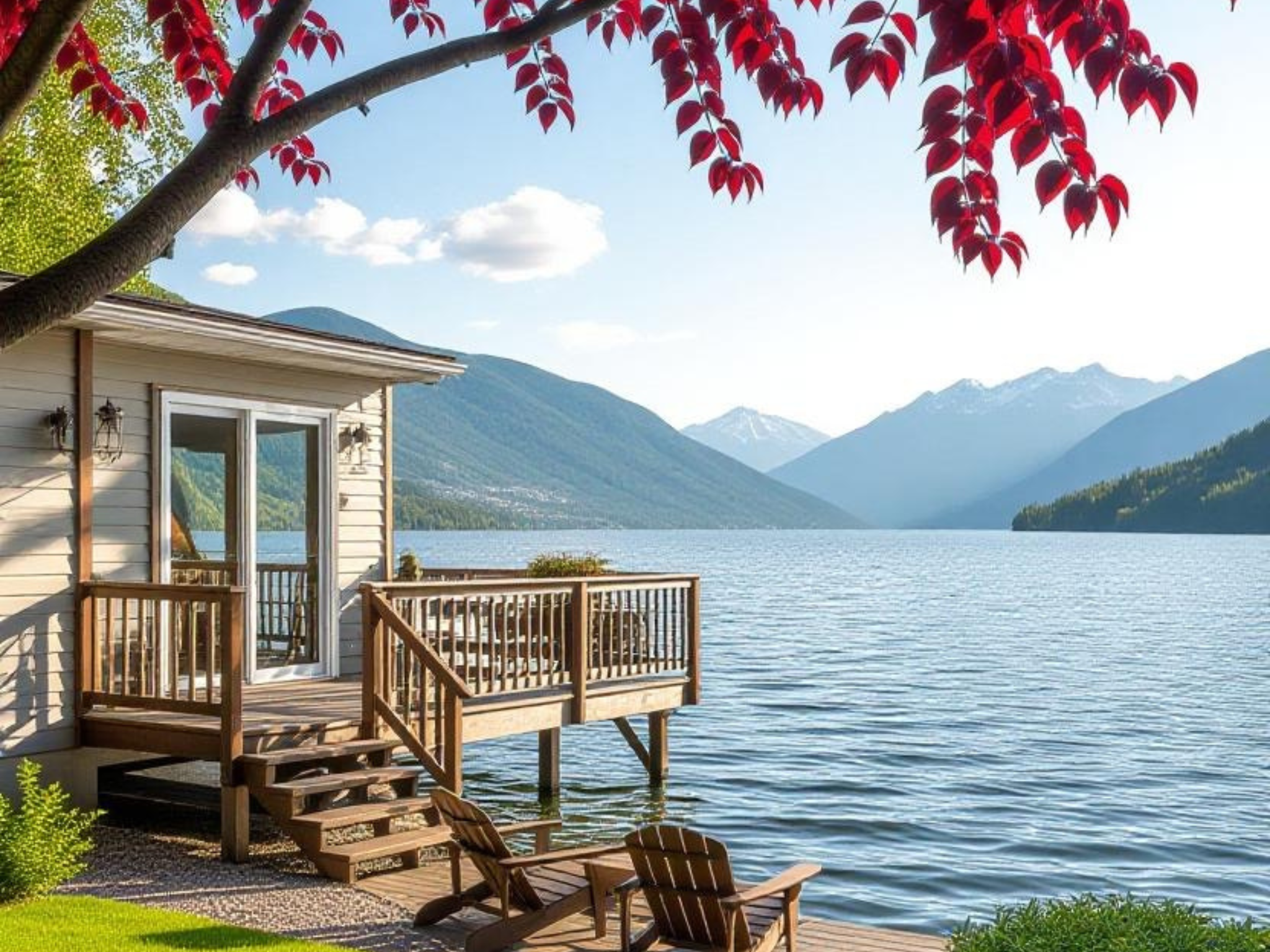
Step 1: Know What You’re Buying
Manufactured homes in BC are factory-built. Most carry a CSA standard label — Z240 (mobile homes) or A277 (modular homes). That little silver label is your proof the home met Canadian safety and quality standards when it was built. If the label is missing, you may need a Silver Label inspection from Technical Safety BC before you can sell or insure.
What's the Difference Between Manufactured & Modular?
- Manufactured home — built on a steel frame and designed to be moved to a site.
- Modular home — built in sections at a factory, then assembled on a permanent foundation like a traditional house.
Step 2: Financing and Insurance
This is where buyers often get surprised. Lenders and insurers treat manufactured homes differently, especially if the home sits on leased pad land. Many banks in Kelowna, Vernon, and West Kelowna want the lease term to last longer than your mortgage term. Some won’t finance leased-land homes at all. Insurance companies can be strict too, especially on older homes.
- Ask your lender early if they finance the park you’re looking at.
- Confirm the lease term and compare it to the mortgage length.
- On pre-1976 homes, budget extra time for insurance approval.
Step 3: Understand the Park
Every park has its own rules under the Manufactured Home Park Tenancy Act. Rules cover pets, rentals, age restrictions, and even landscaping. Before you fall in love with a home, make sure the park rules fit your lifestyle.
Step 4: Pad Rent
Pad rent isn’t an afterthought — it’s a big part of your monthly cost. In 2025, landlords can raise pad rent once per year by about 3% plus eligible levies, with three months’ notice. Always check when the last increase happened and if there are extra levies tacked on for water, sewer, or garbage.
Step 5: Redevelopment and Long-Term Plans
Redevelopment is rare but possible. Ask the landlord or manager about long-term plans. If a park does close, BC law requires notice and compensation. Still, it’s smart to ask up front if there are any rezoning or redevelopment applications filed.
Step 6: Making the Offer
Manufactured home offers need the right paperwork. On leased land, you’ll want conditions for landlord consent and assignment of the tenancy. In BC, this usually means an RTB-10 form. The landlord has 10 days to respond, and refusals are only allowed on specific grounds.
Step 7: Title and Lien Searches
Unlike freehold property, manufactured homes are registered in the Manufactured Home Registry (MHR). Your lawyer or notary will confirm ownership and check for liens. Always compare the serial number on the frame to the records. If they don’t match, it’s a red flag.
Step 8: Inspection
A manufactured home inspection is worth every penny. Inspectors check tie-downs, foundations, roofs, electrical, and whether additions were built with permits. Missing CSA labels often trigger a Silver Label inspection requirement.
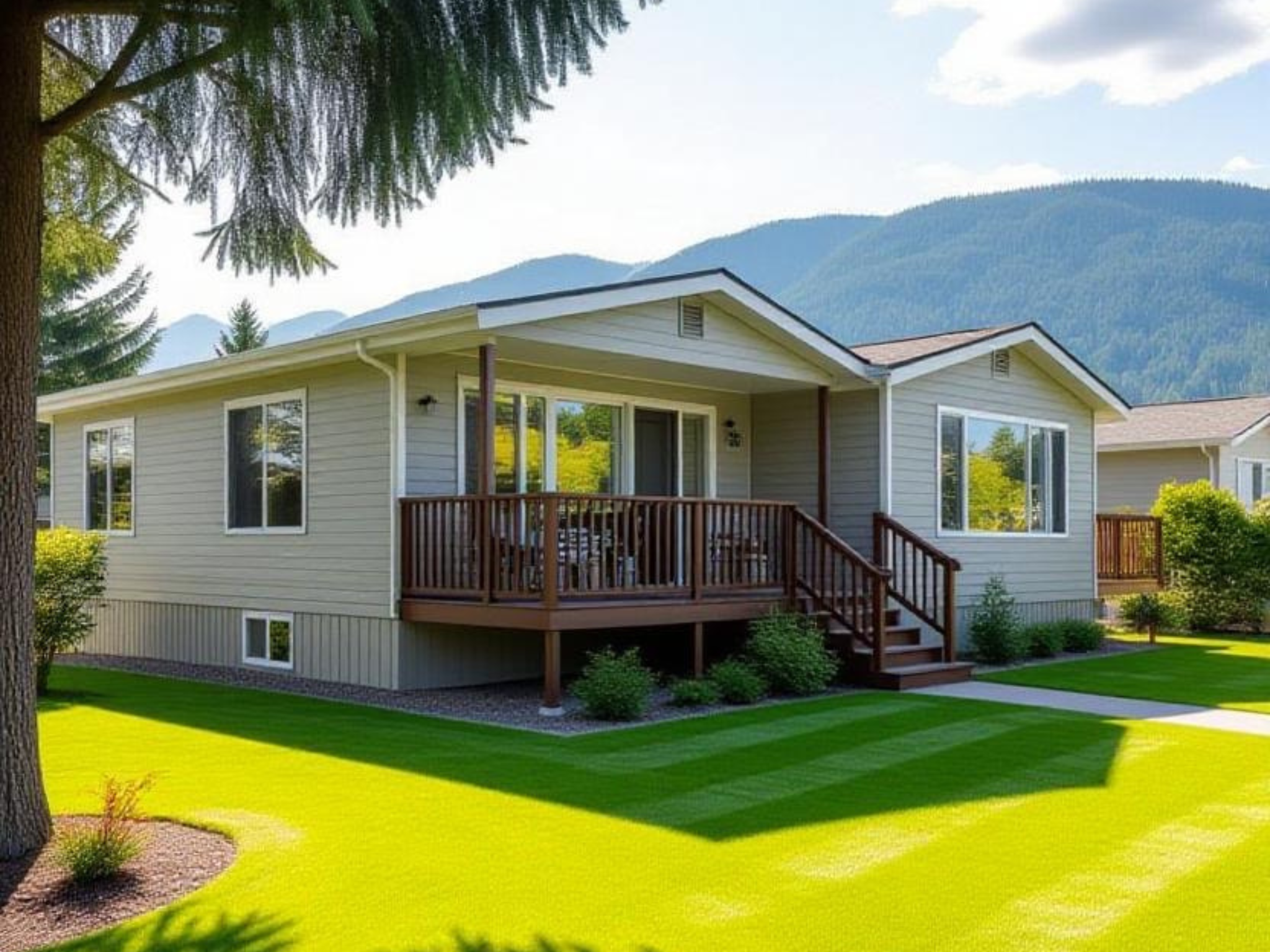
Step 9: Taxes and Fees
Property Transfer Tax sometimes applies in long-term leases. GST applies to new manufactured homes, but not most resales. Insurance can also be pricier on older homes, especially if there’s a wood stove without WETT certification. Earthquake coverage is recommended anywhere in the valley.
Step 10: Indigenous (Native) Leasehold Land
This is an area where many buyers have questions. In the Okanagan, you’ll often see homes on reserve land (especially in Westbank). Here’s what to know:
- Ownership is usually leasehold, not freehold. You’re buying the home and the right to lease the land, not the land itself.
- Leases run for a set number of years. Always confirm how many years remain — it affects resale and financing.
- Band council or federal registry approval may be required to complete the transaction.
- Financing can be harder to arrange on native leasehold. Some lenders won’t finance at all; others require higher down payments.
Buying on native leasehold isn’t necessarily a bad thing — some buyers get fantastic homes this way — but you need to go in with eyes wide open and the right professional advice.
Step 11: Closing and Registration
Your lawyer or notary will file the MHR Notice of Transfer and make sure everything matches up. Always keep copies of your registry searches and permits with your records.
A manufactured home in Kelowna, Vernon, West Kelowna, or Lake Country can be a smart, affordable step into BC real estate. The key is knowing what questions to ask — about financing, insurance, park rules, native leaseholds, and inspections. With the right guidance, you can avoid surprises and enjoy the benefits of Okanagan living without stretching your budget.
This guide provides general information only and is not legal, financial, or tax advice. Every situation is unique. Always confirm details with a licensed REALTOR®, lawyer or notary, lender, and tax professional before making real estate decisions in British Columbia.