By Michael A. Jones - PREC* | Royal LePage Kelowna
If your Kelowna home or strata building uses a gas boiler, there is a specific safety order worth checking against the equipment you actually have.
Technical Safety BC's November 3, 2026 announcement highlights a carbon monoxide risk involving certain boilers that can keep running after their exhaust venting has been damaged. For an owner, the useful next step is to identify the equipment and review its service history.
Which boilers does the order cover?
Safety Order SO-GA 2026-01, issued October 1, 2026, applies to gas-fired Category IV low-pressure hot-water boilers certified to CSA 4.9 that use direct-spark ignition of the main burners. The reported incidents span manufacturers. This is a targeted safety order, not a general boiler recall.
Have a licensed gas contractor confirm whether your equipment falls within that description. A brand name, the age of a building or the fact that it has hot-water heating is not enough to settle the question.
What is the concern?
Technical Safety BC describes a delayed-ignition problem: gas can accumulate before ignition, producing a pressure surge that damages or separates venting. Exhaust can then enter occupied space.
The November announcement reports multiple incidents in BC, including an August 2026 North Vancouver event that sent occupants to hospital. It particularly encourages people in multi-unit residential and commercial buildings to pay attention. Those province-wide findings are a reason to check a Kelowna building's equipment, not evidence that any particular local property has a defect.
What owners of affected boilers must arrange
The order requires a licensed gas contractor, inspection and servicing at least every 12 months or more often if the manufacturer requires, and maintenance of service and repair records. Work must address both the boiler and its venting. Unsafe conditions and their causes must be corrected, with the system checked before operation resumes. Owners must also report relevant incidents and hazards to Technical Safety BC.
The order recommends CO alarms as added protection and requires owners to assess those recommendations for their building. Maintenance does not eliminate every risk. Read the full order with your contractor.
A practical checklist for homeowners and strata councils
I would start with a short, written set of questions rather than an assumption that someone else has already dealt with it:
- What equipment serves the home? Ask the contractor or building manager to identify the boiler and confirm whether the order applies. Keep that answer with the property records.
- When was the last complete service? Request the actual report and scope of work. Ask whether the attached venting was included and whether the contractor identified any follow-up.
- What remains unresolved? Ask for a clear list of outstanding work, who is responsible and the next step. A booked appointment is different from a completed repair.
- Who manages the response? In a strata, establish who coordinates the contractor, stores the records and communicates with residents. A shared heating system deserves a shared, documented answer.
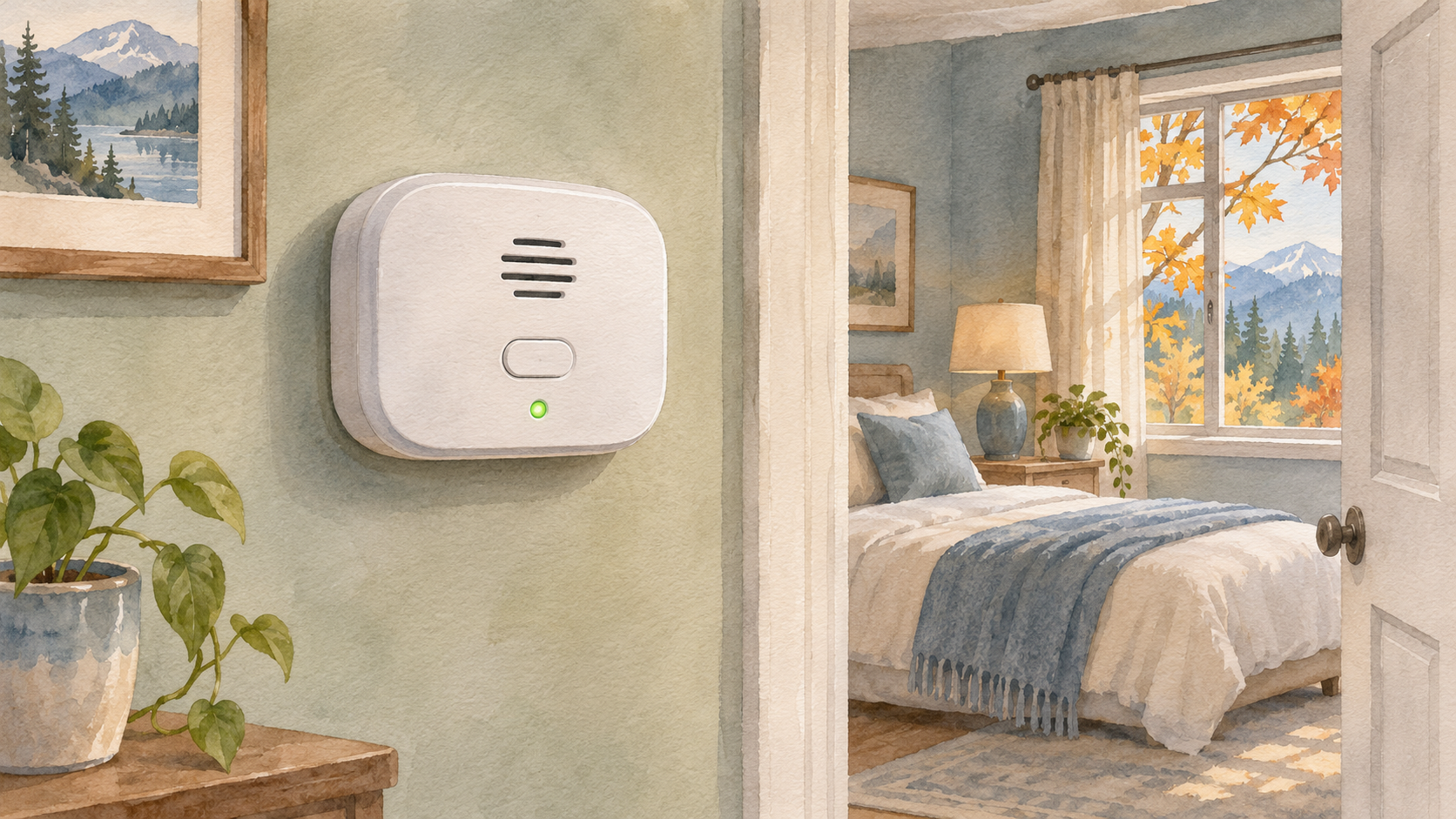
- What is the alarm plan? Confirm the appropriate locations, testing and replacement schedule with qualified advice and the manufacturer's instructions. Do not assume a device is a CO alarm just because it resembles a smoke alarm.
These are document and coordination checks. Leave diagnosis, adjustments and gas work to qualified professionals.

Buying or selling a home with boiler heat?
For buyers, add the heating equipment and its service records to the due-diligence conversation. Ask your inspector what their inspection covers and whether a separate assessment by a licensed gas contractor is appropriate. For a strata purchase, ask about the shared system as well as anything inside the suite.
For sellers, gathering records early can make questions easier to answer. Keep recommendations and completed work distinct, and discuss any known concerns with your real estate professional and legal adviser. A clean folder helps explain the history; it is not a certificate of safety.
My broader guide to what buyers should know about strata living in BC explains why shared responsibilities deserve attention before a purchase.
If a CO alarm sounds
Technical Safety BC advises moving immediately to fresh air. Call 911 if anyone has symptoms, which can include headache, dizziness, nausea, weakness, confusion or difficulty breathing. Have an emergency responder or licensed gas contractor investigate before re-entering. Do not stay inside to look for the source.
The practical takeaway is straightforward: identify the equipment, get the right professional involved and keep a clear record of the answer.
All for now,
Michael
This article provides general homeowner and real estate information, not technical gas-safety, engineering, medical or legal advice. It does not determine whether a particular appliance is covered or safe. Follow the current Technical Safety BC order, manufacturer instructions and advice from a licensed gas contractor. In an emergency, leave the affected area and seek emergency assistance. Illustrations are conceptual and do not depict actual equipment or properties. Prepared with AI assistance; sources checked November 7, 2026.
*Personal Real Estate Corporation